

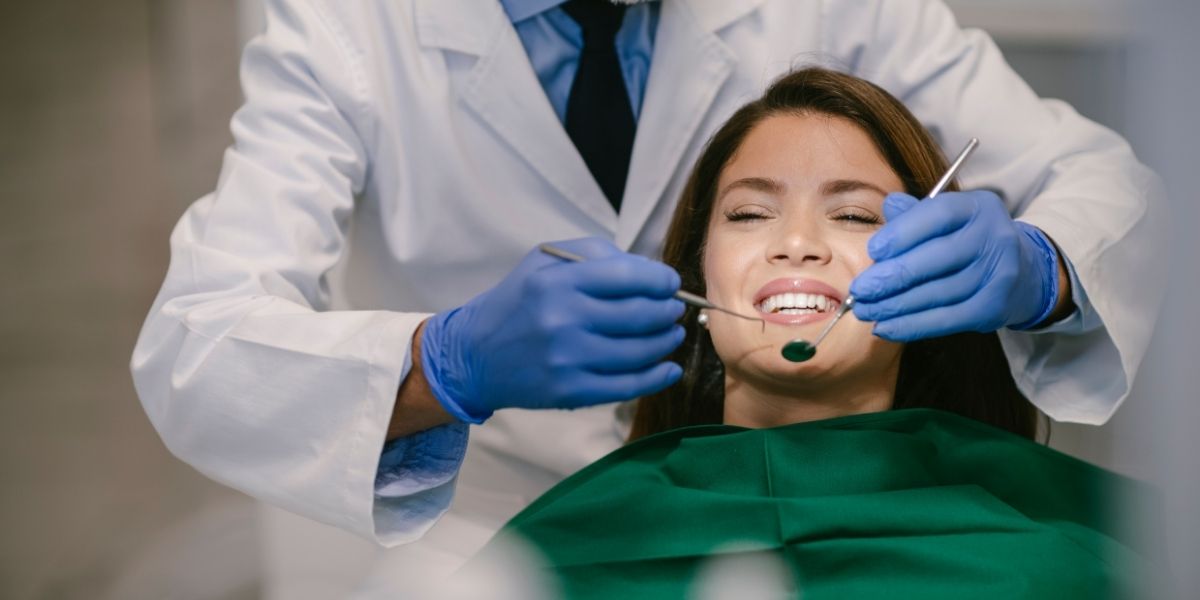
Dental emergencies rarely happen at convenient times. A sudden toothache at night, a chipped tooth during a meal, or a knocked-out tooth from an accident can quickly turn into a stressful situation. Knowing how to respond in those first moments can make a significant difference in pain control, tooth survival, and long-term oral health. Many people panic because they are unsure what qualifies as a dental emergency or what steps to take before seeing a dentist. That uncertainty often leads to delayed care, worsening discomfort, or avoidable complications.
Dental emergencies involve more than discomfort. They can include infections that spread, injuries that damage nerves, or trauma that threatens the stability of surrounding teeth and gums. Acting quickly and correctly protects not only your smile but also your overall health. Preparation is especially important for families, athletes, and individuals with existing dental restorations such as crowns or implants.
Understanding basic emergency dentist tips empowers you to stay calm, reduce pain, and prevent further damage until professional care is available. From managing swelling to preserving a knocked-out tooth, simple actions taken at the right time can improve outcomes. Being informed helps you respond with confidence instead of fear when a dental emergency catches you off guard.
Recognizing a True Dental Emergency
Not every dental issue requires immediate care, but some situations should never be ignored. Severe tooth pain, facial swelling, bleeding that does not stop, and signs of infection such as fever or pus are clear warnings. Trauma that causes a tooth to loosen or fall out also demands urgent attention. These symptoms often indicate damage to the tooth’s inner structures or surrounding tissues, which can worsen quickly without treatment.
Managing Sudden Tooth Pain Safely
Sharp or throbbing tooth pain can be overwhelming. Rinsing gently with warm salt water helps clean the area and may calm irritated tissues. Applying a cold compress to the outside of the cheek can reduce swelling and numb discomfort. Over-the-counter pain relievers may help, but aspirin should never be placed directly on the tooth or gums, as it can damage soft tissue.
What to Do if a Tooth Is Knocked Out
A knocked-out tooth is one of the most time-sensitive dental emergencies. Handle the tooth by the crown, not the root, to avoid damaging delicate fibers. If possible, gently rinse it with clean water without scrubbing. Try placing it back into the socket or store it in milk or saliva. Getting to a dentist within an hour greatly increases the chance of saving the tooth.
Handling Broken, Chipped, or Cracked Teeth
Broken or cracked teeth may expose sensitive inner layers, causing pain and increasing infection risk. Rinse the mouth with warm water and save any broken pieces if possible. Cover sharp edges with dental wax or sugar-free gum to protect the tongue and cheeks. Avoid chewing on the affected side until professional care is provided.
Addressing Swelling and Possible Infection
Swelling in the gums, jaw, or face may signal an infection that requires prompt care. Cold compresses can help reduce swelling temporarily, but heat should be avoided as it may worsen inflammation. Infections in the mouth can spread to other parts of the body, making timely dental treatment essential for overall health and safety.
Knowing When to Seek Immediate Professional Care
If pain is severe, swelling interferes with breathing or swallowing, or trauma affects multiple teeth, emergency dental care should not be delayed. Even if symptoms seem manageable, lingering discomfort or sensitivity often means more serious damage. Prompt evaluation helps prevent complications and supports faster recovery.
Dental emergencies can feel overwhelming, but being prepared changes the outcome. Recognizing urgent symptoms, managing pain safely, and taking the right steps before seeing a dentist all contribute to protecting your oral health. Quick action can reduce discomfort, prevent infection, and in some cases save a natural tooth. Staying calm and informed allows you to respond effectively instead of reacting out of fear.
Having a trusted dental provider for emergencies provides peace of mind when unexpected problems arise. Professional evaluation ensures that hidden damage is addressed and long-term solutions are put in place. If you or a loved one experiences a dental emergency, timely care makes a meaningful difference. For expert emergency dental care and compassionate guidance when it matters most, contact Galleria Dental Arts to schedule an urgent appointment and protect your smile with confidence.