

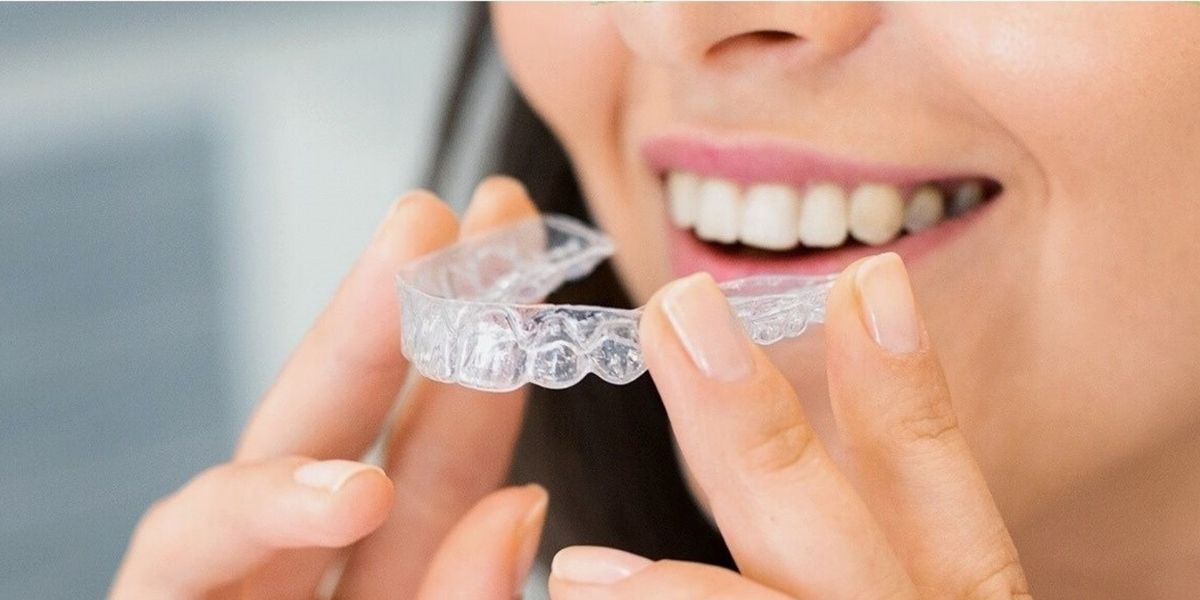
Choosing Invisalign is a big step toward achieving a straighter, healthier smile. Many people love the idea of clear aligners because they’re nearly invisible, removable, and comfortable compared to traditional braces. But a common question arises for those looking for extra convenience: Can you wear Invisalign only at night?
It’s an appealing thought; wearing aligners while you sleep and going about your day without them. However, orthodontic treatment isn’t as simple as wearing the trays when it’s convenient. Invisalign works by applying consistent, gentle pressure on your teeth to gradually move them into alignment. Limiting that wear time could seriously impact your results.
Before you decide to wear Invisalign only at night, it’s important to understand how the treatment works, what risks come with limited wear, and what options might better fit your lifestyle. A dentist in Manassas, VA can help determine if your plan aligns with your orthodontic goals.
How Invisalign Really Works
Invisalign aligners use controlled force to shift your teeth gradually. Each set of trays is custom-made to guide your teeth toward the desired position. For this process to be effective, that force must be constant.
The standard Invisalign treatment plan requires wearing aligners for 20 to 22 hours per day. That means they should only be removed for eating, drinking (anything other than water), brushing, and flossing. Wearing them less than that interrupts the process, causing teeth to move more slowly or not at all.
What Happens If You Wear Invisalign Only at Night
If you wear Invisalign only while sleeping, say, 8 to 10 hours per night, you’re cutting your treatment time by more than half. The teeth begin to shift when you wear your aligners, but when you remove them for the rest of the day, they tend to move back toward their original positions.
This constant back-and-forth movement can:
- Delay your progress significantly
- Cause discomfort or soreness each time you put your aligners back in
- Make the aligners feel tighter or painful
- Lead to less accurate results or relapse once treatment ends
Essentially, your treatment may stall completely, and your aligners may stop fitting properly.
The Difference Between Invisalign and Nighttime Aligners
It’s important to note that Invisalign is not designed to be a nighttime-only system. Other companies market “nighttime aligners” that require only 8–10 hours of daily wear, but these are entirely different treatment plans with different levels of force and movement expectations.
Invisalign treatment is monitored and customized by a licensed dental professional to ensure precision and safety. Nighttime aligners, on the other hand, often lack in-person supervision and can’t match the accuracy of professional oversight. Choosing Invisalign means you’re investing in a proven, dentist-directed treatment: one that depends on consistent wear to work correctly.
Why Consistency Matters for Teeth Movement
Your teeth are held in place by periodontal ligaments that respond to gentle, continuous pressure. This pressure stimulates bone remodeling, allowing your teeth to shift into new positions. Interrupting that process repeatedly, by not wearing aligners most of the day, prevents those ligaments from adapting properly.
Think of it as taking one step forward and two steps back every day. Without that steady wear, your treatment stalls and may take much longer to finish. In some cases, your dentist may even need to reorder aligners to get you back on track, costing you additional time and money.
Possible Alternatives for Busy Schedules
If wearing aligners for 20+ hours a day feels challenging, discuss your concerns with your dentist. There may be other orthodontic solutions that better suit your routine.
Some options include:
- Shorter aligner changes: Certain cases allow for faster progress with new trays every week, maintaining momentum.
- Alternative orthodontic systems: Traditional braces or clear braces might be better for those who can’t commit to the daily Invisalign schedule.
- Adjusting your treatment plan: Your dentist can help you find realistic ways to keep aligners in longer each day without interfering with meals or social activities.
The key is communication; being upfront about your schedule helps your dentist customize a plan that truly fits your life.
The key is communication; being upfront about your schedule helps your dentist customize a plan that truly fits your life.
Maintaining Oral Health During Invisalign Treatment
Whether you wear your aligners day and night or explore alternative options, oral hygiene is essential. Always brush and floss after meals before reinserting your aligners to avoid trapping food particles or bacteria. Clean your trays daily with mild soap and lukewarm water to prevent odor and plaque buildup.
Good oral care habits not only protect your teeth but also support a smoother and more comfortable Invisalign experience overall.
While wearing Invisalign only at night may sound convenient, it’s not effective for achieving proper tooth movement. Consistency is key; the aligners need nearly full-time wear to apply the steady pressure your teeth require. Skipping daytime wear will likely delay results, cause discomfort, and increase treatment costs in the long run.
If you’re unsure about your ability to meet the wear-time requirements, it’s best to consult a professional who can help you explore the right orthodontic solution for your lifestyle. Our experienced team at Galleria Dental Arts, your trusted dentist in Manassas, VA, can provide personalized guidance and ensure your Invisalign treatment stays on track for the smile you’ve always wanted. Schedule your consultation today to discuss your options and find the most effective path toward a confident, healthy smile.